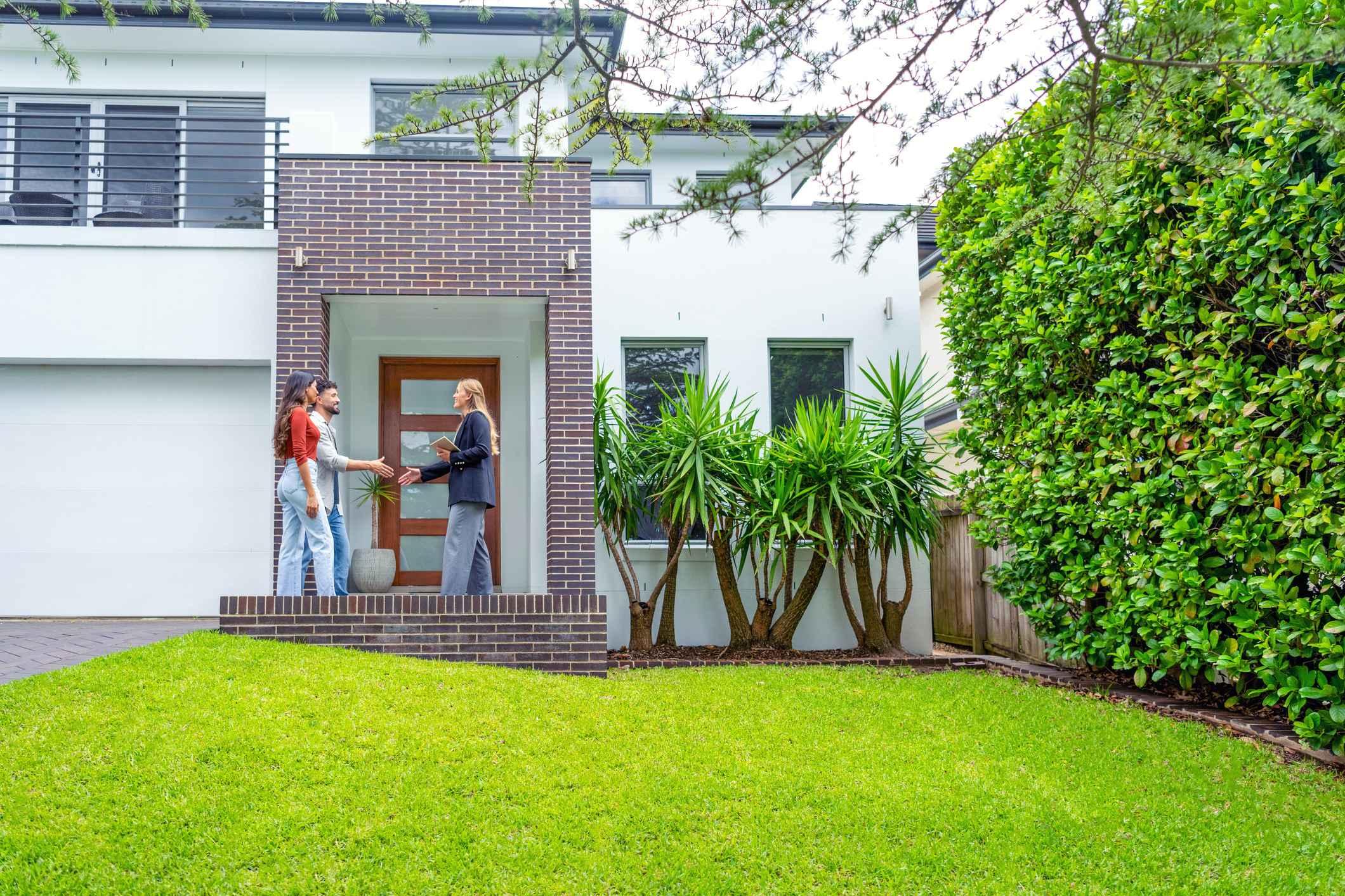
What Landlords Need to Know Before Renting Out Their Property in NSW Renting out your property in NSW can be a rewarding way to build long-term wealth, but success starts with the right preparation. Whether you are a first-time investor or expanding your portfolio, understanding the fundamentals of renting out your property, legal compliance, and effective property management will help you protect your investment and maximise returns. Understand Your Legal Obligations as a Landlord Before leasing your home, it is essential to understand your responsibilities under NSW tenancy laws. As a landlord, you must ensure your rental property meets minimum standards for safety and habitability, including working smoke alarms, secure locks, and compliant electrical systems. You will also need to correctly lodge the rental bond, provide a valid tenancy agreement, and complete a detailed condition report. Staying compliant not only protects your tenants but also safeguards you from potential disputes. Set the Right Rental Price for Your Property One of the most important steps when renting out your property is setting an accurate rental price. A well-priced investment property will attract quality tenants and minimise vacancy periods. Research comparable properties in your local area or work with a professional to assess current market conditions. Strategic pricing ensures your rental property remains competitive while delivering strong returns. Prepare Your Property for the Rental Market Presentation plays a key role in attracting tenants. Before listing your property for rent in NSW, ensure it is clean, well-maintained, and visually appealing. Simple upgrades such as fresh paint, updated fixtures, or landscaping improvements can significantly enhance your property’s appeal and increase rental value. A well-presented home not only attracts better tenants but also supports long-term occupancy. Find and Screen the Right Tenants Selecting the right tenant is critical when renting out an investment property. A thorough tenant screening process should include reference checks, employment verification, and rental history reviews. Reliable tenants are more likely to pay rent on time and take care of your property, reducing the risk of issues down the track. This is a key step in effective property investment management. Consider Professional Property Management Managing a rental property involves more than collecting rent. From handling maintenance requests to staying up to date with changing legislation, property management requires time and expertise. Working with a professional property manager can help ensure compliance, streamline communication, and protect your investment property. It also allows you to enjoy the benefits of property ownership without the day-to-day stress. Plan for Ongoing Costs and Rental Income When renting out your property, it is important to budget for ongoing expenses such as maintenance, landlord insurance, council rates, and potential vacancy periods. Understanding your rental income and maintaining a financial buffer will help you manage unexpected costs and ensure your investment remains financially sustainable. Stay Informed and Protect Your Investment The NSW property market and rental regulations can evolve, so staying informed is essential. Regular property inspections, proactive maintenance, and clear communication with tenants will help preserve the value of your rental property. By taking a proactive approach, landlords can create a positive rental experience while strengthening long-term investment performance. Final Thoughts Successfully renting out your property in NSW is about more than finding a tenant, it is about building a sustainable investment. With the right knowledge, preparation, and support, landlords can confidently navigate the rental market, protect their assets, and achieve consistent returns.